
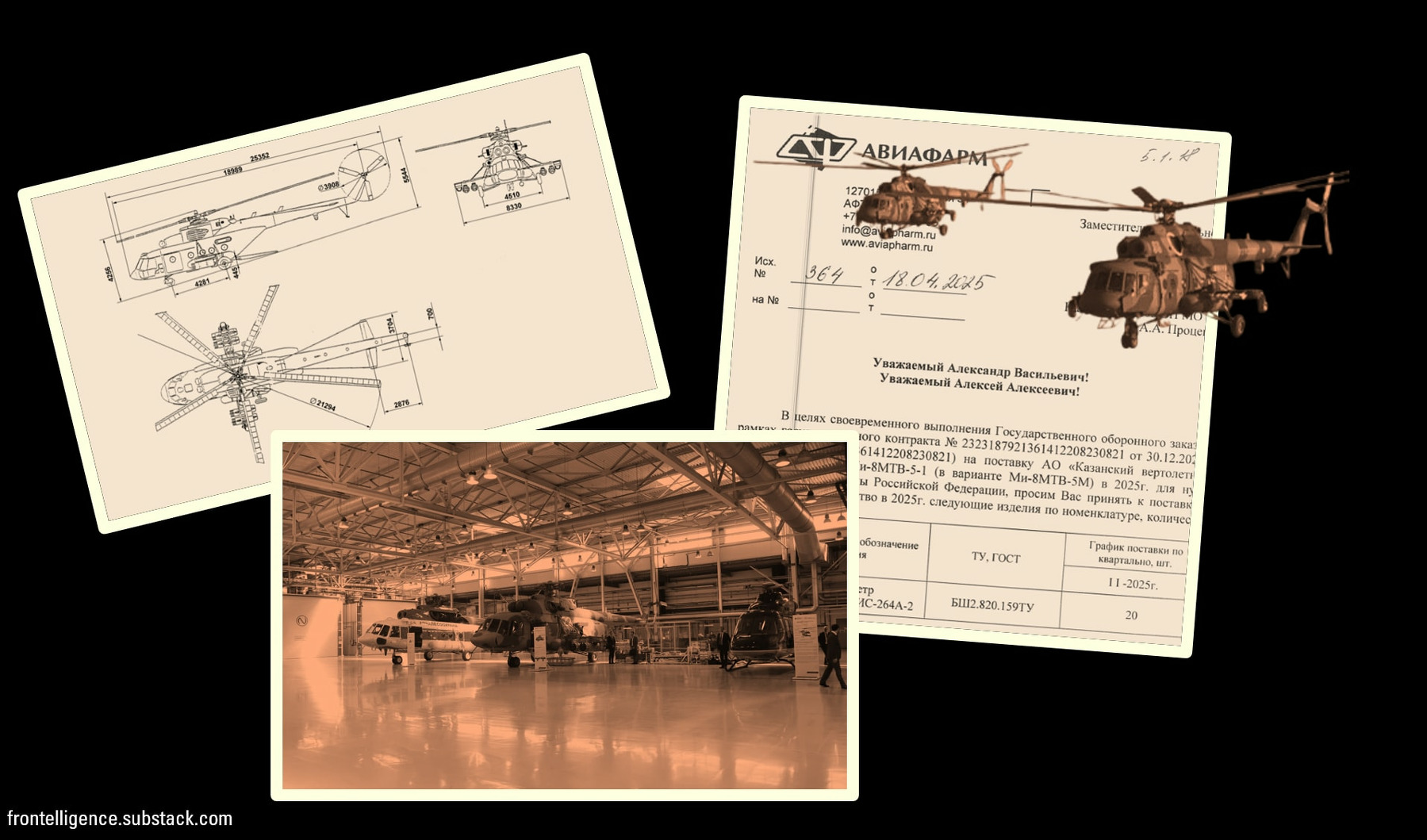
Ongoing debates about Russia’s economic outlook, defense spending, production capacity and security posture often lean on speculation because reliable data is limited. Last month, our team released new information on Russia’s tank production plans. It helped clarify part of the picture, but only one part. Today we add another, with fresh data on Mi-8 helicopter production for military use, giving a clearer view of Russia’s industrial output and its broader effort to rebuild its forces.
Since the Mi-8 program began in the Soviet era, over 12,000 Mi-8 helicopters of various modifications, including export variants, have been produced. The Mi-8 is built at two Russian facilities: the Kazan Helicopter Plant and the Ulan-Ude Aviation Plant, both part of the state-owned defense conglomerate Rostec. The number of operational Mi-8s in service with the Russian Air Force is estimated at roughly 300. However, the overall total is higher, as other militarized agencies, including the FSB, the FSB Border Service, the National Guard and several federal ministries, also operate Mi-8 variants.
Table of Contents
Introduction
I. Role of the Mi-8
II. Production Figures
III. State of the Mi-8 Fleet
IV. Conclusions
Sources
I. Role of the Mi-8
The Mi-8 is a family of multirole helicopter used across both military and civilian sectors. In military service, its roles range from transport and medical evacuation to reconnaissance, attack missions, airborne workshop or hospital, electronic warfare and counter-drone missions.
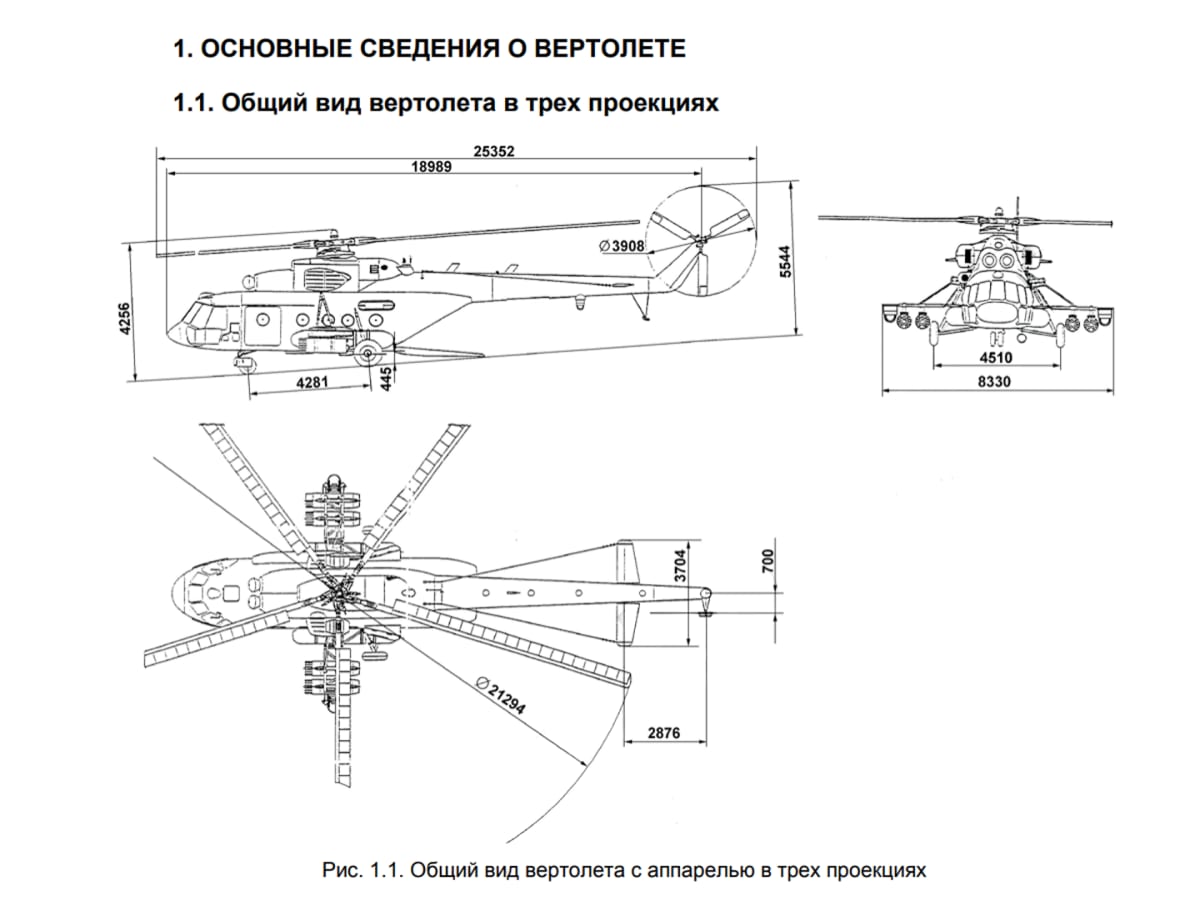
The specific Mi-8MTV-5-1 at the center of this investigation is a military transport variant of the Mi-8/17 family. It can be configured for cargo missions, troop transport for up to 36 personnel, and direct attack roles. The helicopter is capable of carrying and deploying unguided rockets, providing fire support missions and aerial bombs with 100, 250 or 500 kilogram payloads.
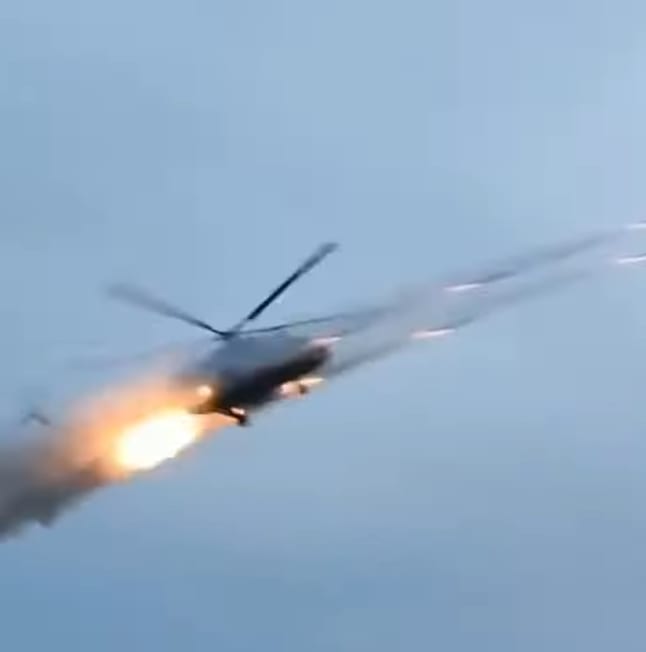
When it comes to the use of Mi-8 helicopters in Ukraine, their roles have shifted throughout the war. In the opening phase, they delivered troops in air assault operations, including the battles for Kyiv and Hostomel. After heavy losses in the first weeks, this frontline role was largely dropped, and their use for medical evacuation also decreased. Mi-8s have continued to appear in search and rescue missions, often deployed to retrieve crews after Russian aircraft were downed.
Eventually, Mi-8s, like other helicopters such as the Ka-52, Mi-24 and Mi-28, began operating in an indirect-fire role. In this mode, the helicopter fires at an upward angle so the rockets follow a parabolic trajectory, similar to MLRS fire, allowing the aircraft to strike from a safer distance.
Starting in 2024, and even more actively in 2025, Russia has been using Mi-8 helicopters to counter aerial drones and unmanned surface vessels.
II. Production Figures
Mi-8 helicopters are built at two main factories, one in Kazan and one in Ulan-Ude. Procurement files obtained by our team show that the Russian company Aviafarm submitted at least two requests for parts it needed to complete contracts from helicopter plants.
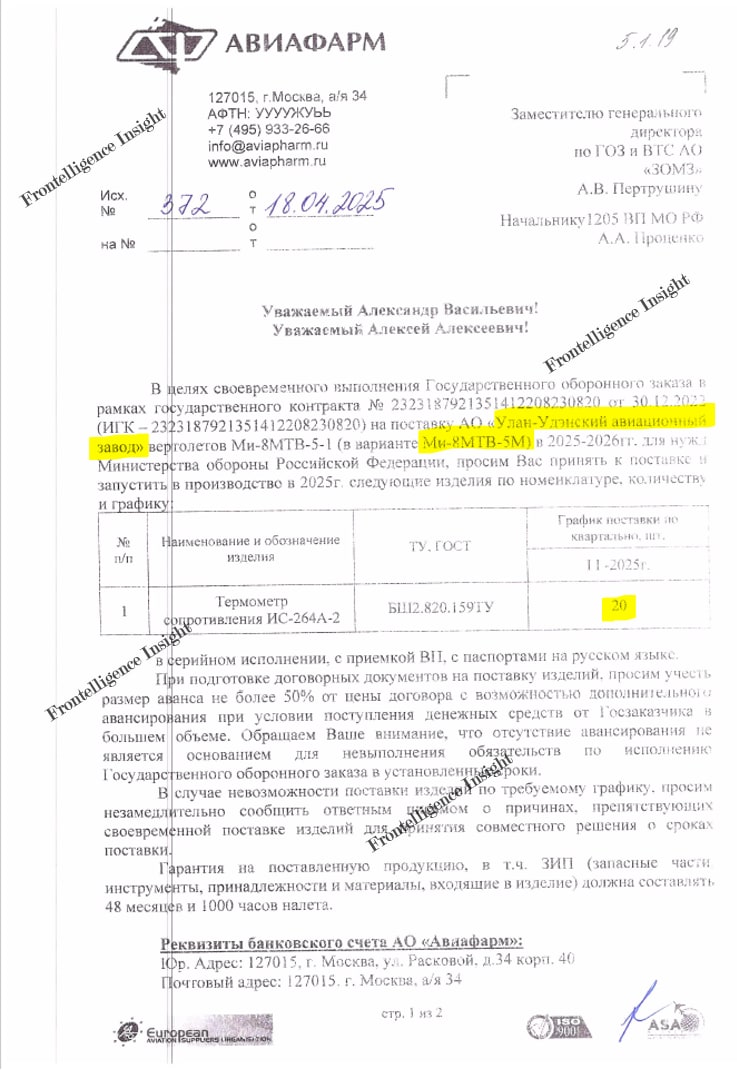
A leaked document shows Aviafarm asking another company, ZOMZ (Zagorsk Optical-Mechanical Plant), to supply a part under a codename BSH2.820.159TU (БШ2.820.159ТУ). The request states that 20 units are needed to fulfill orders from the Kazan Helicopter Plant and another 20 for the Ulan-Ude Aviation Plant, for a total of 40 parts.
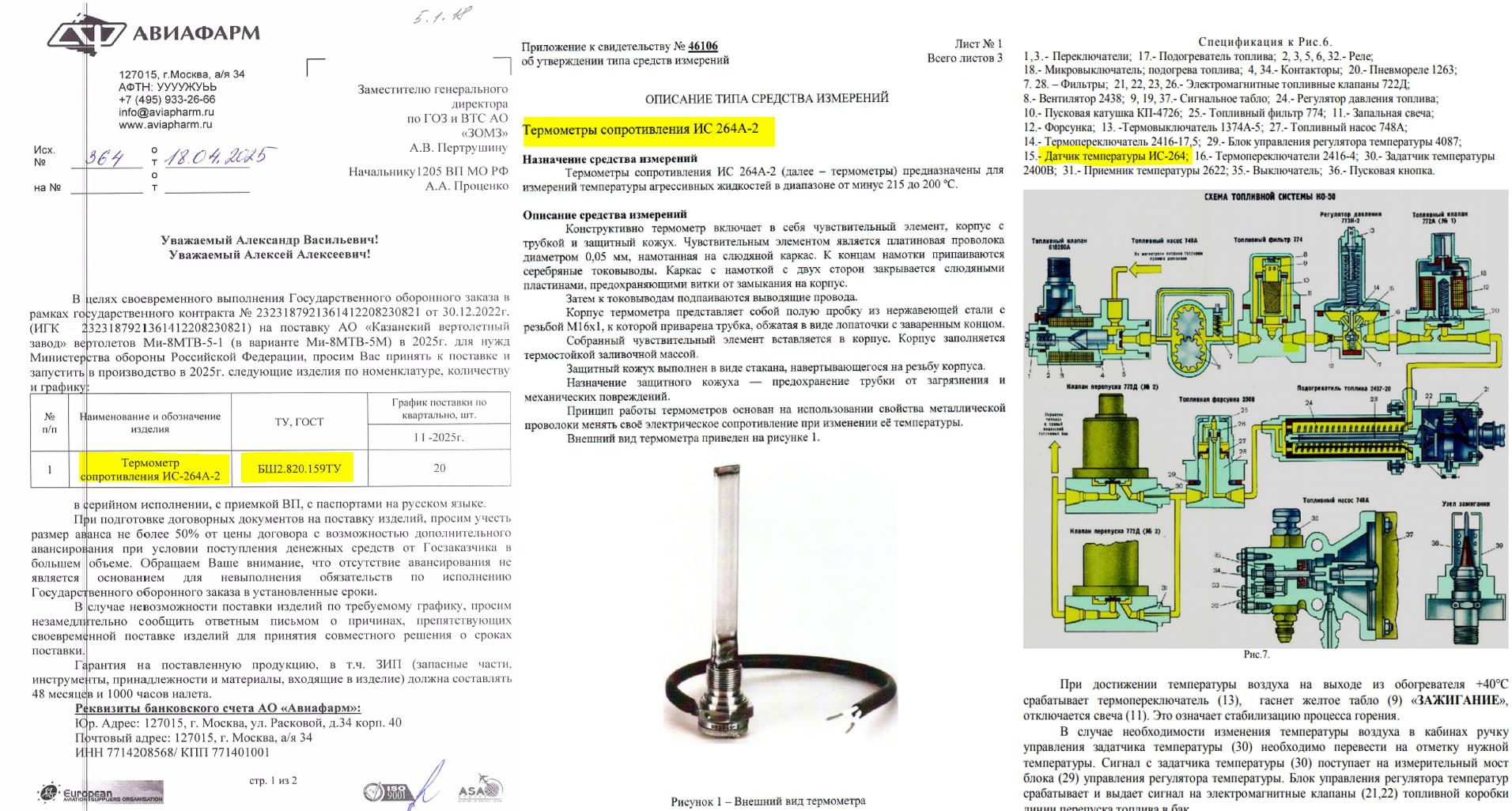
BSH2.820.159TU, according to the contract, is the internal code for the IS-264A resistance thermometer. Based on technical manuals for Mi-8 variants, 2 of these thermometers are installed per helicopter. This suggests that 2 units likely corresponds to one Mi-8 airframe in production.
Since the request was made in April 2025 with 40 parts due for delivery by the second quarter to meet that year’s order, Russia’s approximate annual Mi-8 output can be estimated at about 20 units, equally split between the Ulan-Ude and Kazan plants.
Notably, these figures refer only to Mi-8 helicopters built for the Defense Ministry, not those supplied to emergency services or other federal agencies. This suggests overall production capacity is likely higher, unless all available output is allocated exclusively to military orders.
While we do not have data on MoD contracts for 2024, we do know that according to Rostec, in 2024, State Transport Leasing Company (GTLK) was supplied with 40 Mi-8MTV-1 utility helicopters. If GTLK received 40 helicopters in 2024 alone, we can conclude that Russian helicopter plants are capable of producing AT Least 40 helicopters annually, with the total number actually likely be higher.
III. The State of the Mi-8 Fleet
Since the beginning of war, Russia has lost as destroyed or damaged 48 Mi-8 helicopters and 6 Mi-8MTPR-1 electronic warfare helicopters, totaling about 54 Mi-8 helicopters in a course of 45 months.
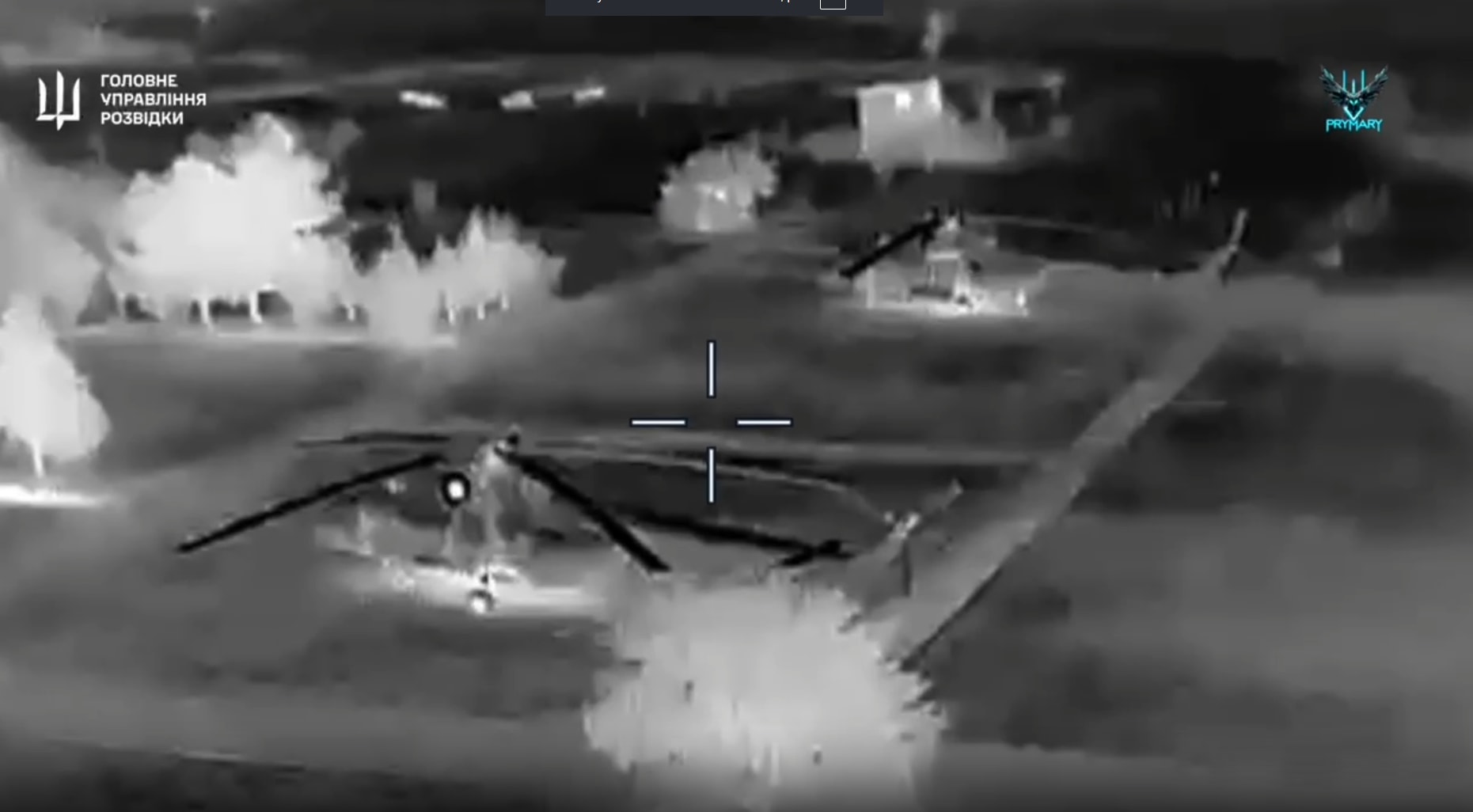
This is not the full picture. Airframe fatigue, undocumented incidents inside Russia and helicopters nearing the end of their service life, which require retirement or major overhauls, also contribute to the overall attrition.
Even after accounting for those factors, the numbers still suggest that losses have been fully replaced, with a possible net increase. Taking the confirmed 54 losses and, for illustration, adding 20 percent to cover unknown incidents and wear from overuse produces roughly 65 total losses. Over two years, 2024 and 2025, even a conservative output of 20 helicopters a year would cover over half of losses sustained during the war
This estimate is not definitive, since production figures for 2022 and 2023 are unclear. Still, even if Russia produced Mi-8s for the Defense Ministry only in 2025, that single year would cover for roughly 37% percent of all wartime losses.
IV. Conclusions:
While this investigation focuses on Mi-8 production, our team is trying to piece together a broader picture, namely what Russia’s military could look like over the next two to five years. Based on earlier findings, including tank output and the latest Mi-8 data, an early pattern is emerging: Russia’s defense industry is unlikely to ease its pace even if a peace agreement is reached. The main takeaways are:
Russia’s Defense Ministry appears to be targeting high output levels, potentially enough to replace a full year’s wartime helicopter losses in a single production cycle.
The armed forces continue to modernize. Older tanks and early Mi-8 variants are being replaced by newer models, and with Soviet-era reserves dwindling, Russia is refilling its inventory with fresh equipment.
Mi-8 helicopters have limited battlefield impact due to dense air defenses, yet Moscow still dedicates substantial resources to their production.
Overall, current evidence indicates Russia is unlikely to slow defense manufacturing in 2026, even if diplomatic negotiations advance.
The original files are available at the link provided at the end of this article for our paid subscribers
Sources
1. Frontelligence Insight. (2025, October 11). Exclusive: Inside Russia’s 2026–2036 tank fleet modernization and buildup plans. Frontelligence.
2. https://www.kr-media.ru/news/vertoletostroenie/kazanskiy-vertoletnyy-zavod-vypustil-7500-y-vertolet-semeystva-mi-8-17/
3. Книга 1 Летная эксплуатация. Вертолет Ми-8МТВ-5-1
4. Приложение к свидетельству № 46106. (2012). ГЦИ СИ ФБУ ГМЦ Минобороны России.
5. Rostec. (2025, January 20). Rostec has supplied 14 new helicopters to Russian airlines. Rostec. https://rostec.ru/en/media/news/rostec-has-supplied-14-new-helicopters-to-russian-airlines/
6. Janovsky, J., Naalsio, A., Aloha, D., Dan, Kemal & Black, A. (2022, February 24). Attack on Europe: Documenting Russian equipment losses during the Russian invasion of Ukraine. Oryx. https://www.oryxspioenkop.com/2022/02/attack-on-europe-documenting-equipment.html