
The war has increasingly become a war of drones, but this does not mean that other means of warfare have lost their relevance. This is evident from personnel loss data we analyzed across multiple Russian units, as well as from feedback provided by Ukrainian units. Based on this large dataset, we conclude that as of 2025 roughly one quarter to one third of battlefield losses are still caused by artillery and mortar fire. While drones have become the leading cause of losses, artillery continues to play a critical role, and this is unlikely to change in the near future. Instead, what we observe is a process of tactical adaptation and a rethinking of how artillery is employed.
Unsurprisingly, despite the growing prominence of drones, Russia has not abandoned efforts to expand the production of artillery ammunition, propellant, and gun barrels. After Russian forces began experiencing serious ammunition shortages as early as 2023, Moscow turned to imported ammunition from Iran and North Korea as a stopgap measure. However, this approach proved to be only a short- to medium-term solution. Over time, Russian units encountered persistent quality, compatibility, and reliability issues with imported ammunition, reinforcing the need for a long-term domestic solution.
In response, the Russian military-industrial complex accelerated its modernization and expansion efforts, urgently seeking additional human, technological, and financial resources to meet frontline demand. This required scaling the entire production chain, from propellant manufacturing and shell casting to final assembly and precision machining.
In a recent analytical report published by the Ukrainian military-focused outlet Militarnyi, citing Russian internal documents, specific production figures were disclosed. According to the report, in 2024 the Russian army received 1.428 million 120 mm mortar rounds. In 2025, deliveries increased to 1.961 million, a year-on-year rise of 37.3 percent.
In total, the Russian defense industry received orders for 1.558 million 152 mm artillery shells of all types in 2024. In 2025, this figure rose to 1.717 million, an increase of 10.2 percent.
Taken together, these figures point that to sustain this level of output, Russia must increasingly rely on domestic production capacity rather than external suppliers. Moreover, as artillery barrels wear out or are destroyed, maintaining firepower requires not only a steady supply of shells but also the continuous replacement of barrels.
Our team, in cooperation with another analytical company Dallas, obtained and analyzed unique Russian procurement documents related to Plant No. 9, a key manufacturer of artillery barrels for the Koalitsiya and Msta self-propelled howitzers, tank guns for the T-90 and T-14 Armata, as well as for modernized T-62 and T-72 tanks. The plant also produces naval rocket depth-charge launchers RBU-1000 and RBU-6000 and is the original developer of the Soviet D-30 howitzer, which remains in use by the Russian army in its war against Ukraine.
Despite international sanctions imposed by the EU, the United States, Ukraine, Japan, and Switzerland, the plant has been undergoing continuous modernization since at least 2016. As of April 2025, the contractor ZAO “Zenit-Investprom” had prepared and delivered updated design documentation to the plant, which we were able to obtain. We concluded that Russia has been expanding production facilities and modernizing equipment at the site, a process that would be impossible without access to Western-origin machinery and technology.
I. Facility Modernization and Capacity Expansion
Plant No. 9 is located within the Uralmash industrial zone, a major center of heavy industry that has historically included both civilian and military production facilities in Yekaterinburg, Russia. By comparing satellite imagery with technical schematics from 2025, we identified the facilities designated for reconstruction and technical re-equipment and marked them in dark red on the map.
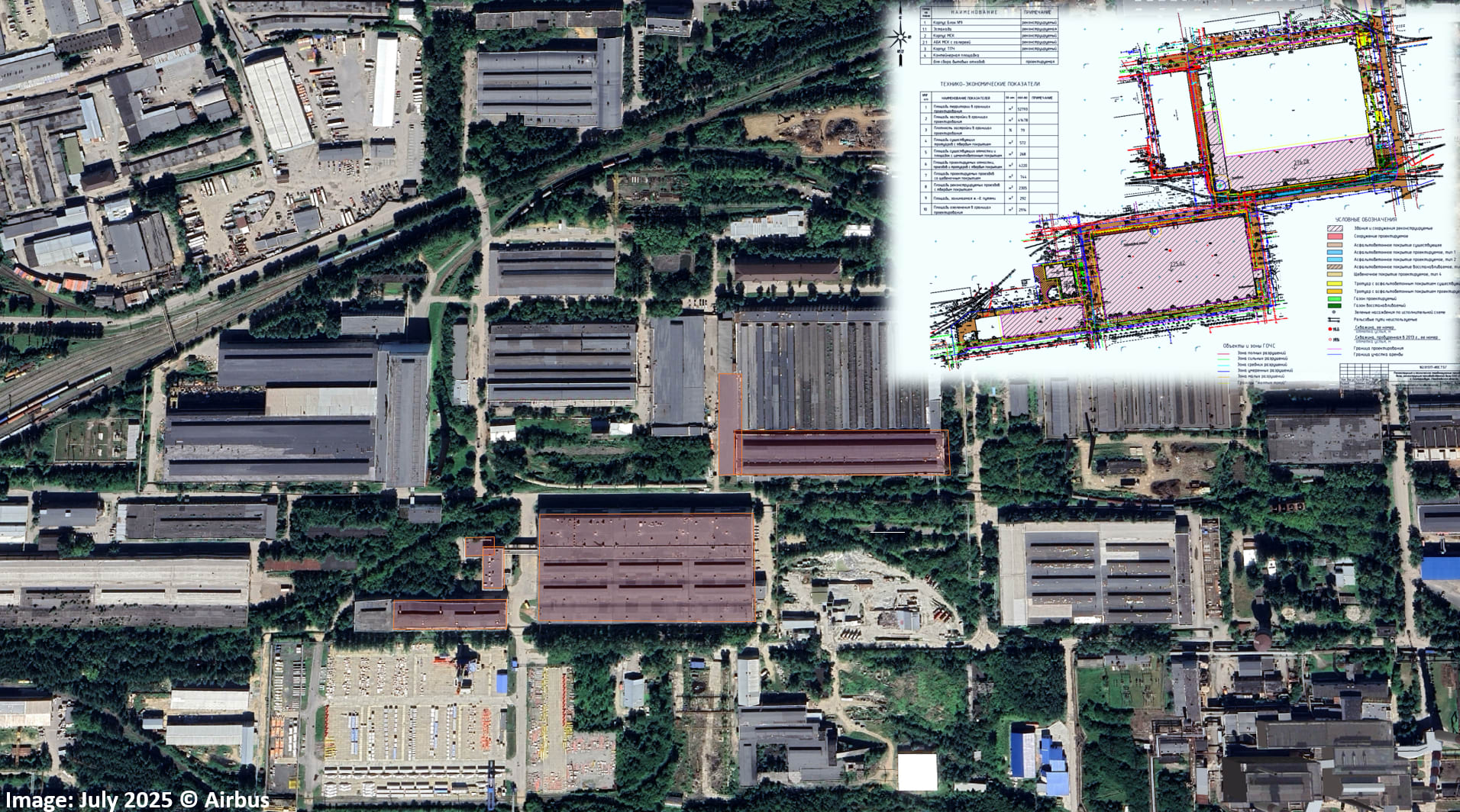
In total, six facilities were identified, including two metalworking workshops and a galvanic production facility. One of the metalworking buildings (called MSK) houses production for several products, including the Armata platform and the Koalitsiya self-propelled howitzer.
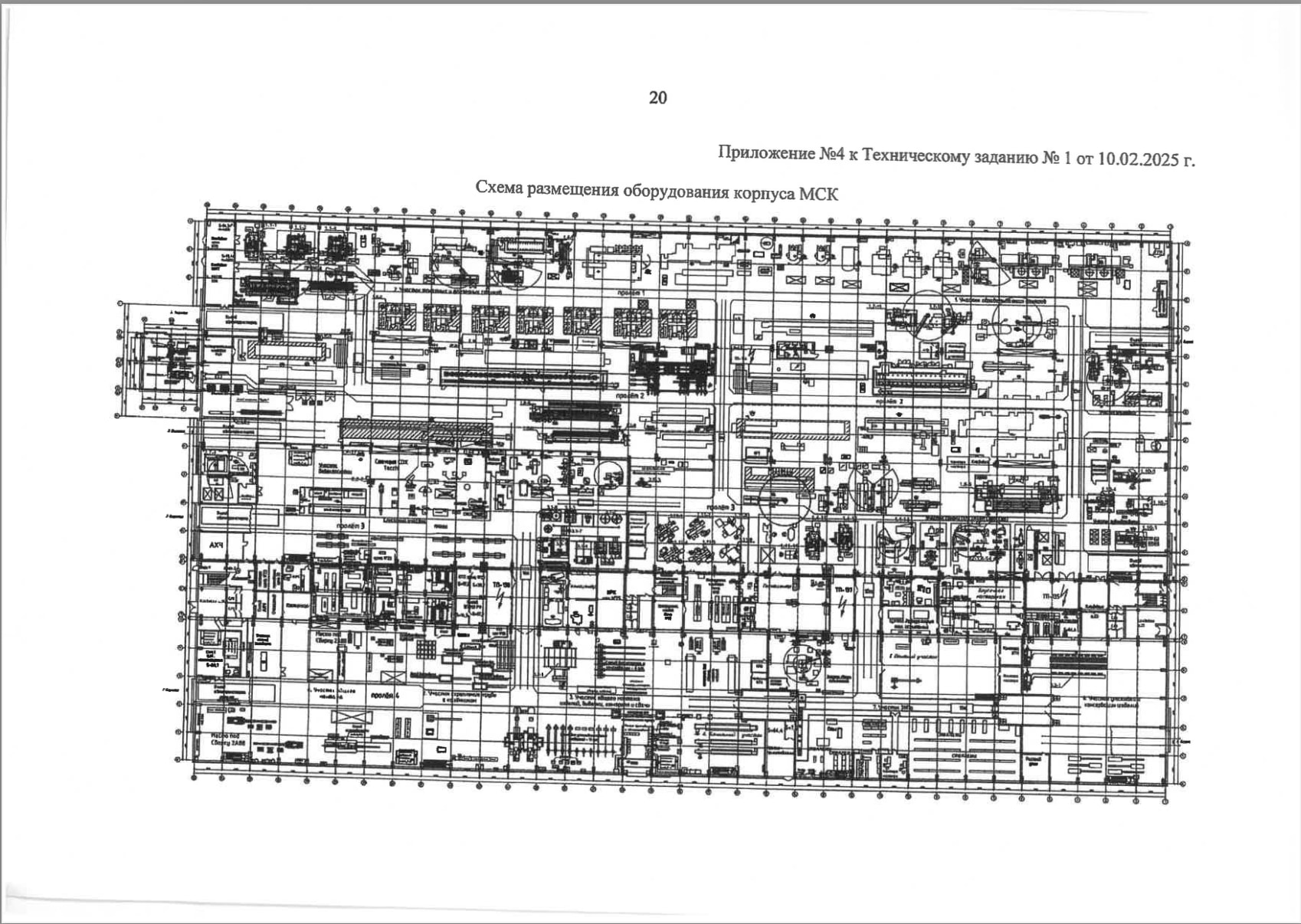
The reconstruction of this building is aimed at establishing an integrated production facility for the serial manufacture of components and assemblies for the 152 mm 2A88 artillery system used in the 2S35 Koalitsiya self-propelled howitzer. The facility consists of two workshops: Workshop No. 23, designated for the machining and final manual finishing of components and assemblies for the Koalitsiya system, and Workshop No. 25, where the assembly of components and finished products takes place, along with commissioning, painting, preservation, packaging, assembly of spare parts kits, and shipment to the warehouse.
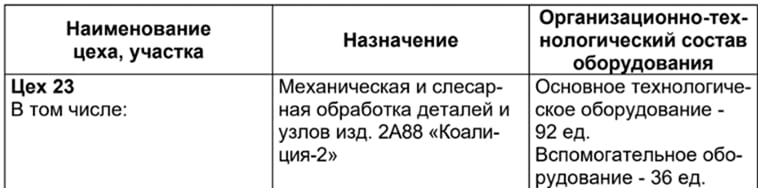
Notably, the word Armata, often associated with the so-called “ghost tank,” also appears in the documentation, with an entire section of the MSK facility dedicated to it. We assess that references to “Armata” in this context most likely concern the production of fire control systems or guns/barrels, originally created for Armata, and later repurposed for other vehicles.
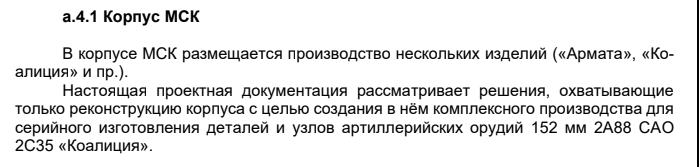
The full project documentation, including floor plans, technical details, and specifications, is provided for download at the end.
II. Sanctions and Imports
The key finding of our analysis is that this expansion, as well as its earlier iterations, would have been impossible without Western machinery. Nearly all critical elements of production and reconstruction rely on modern, high-precision industrial equipment sourced almost exclusively from Europe and Taiwan.
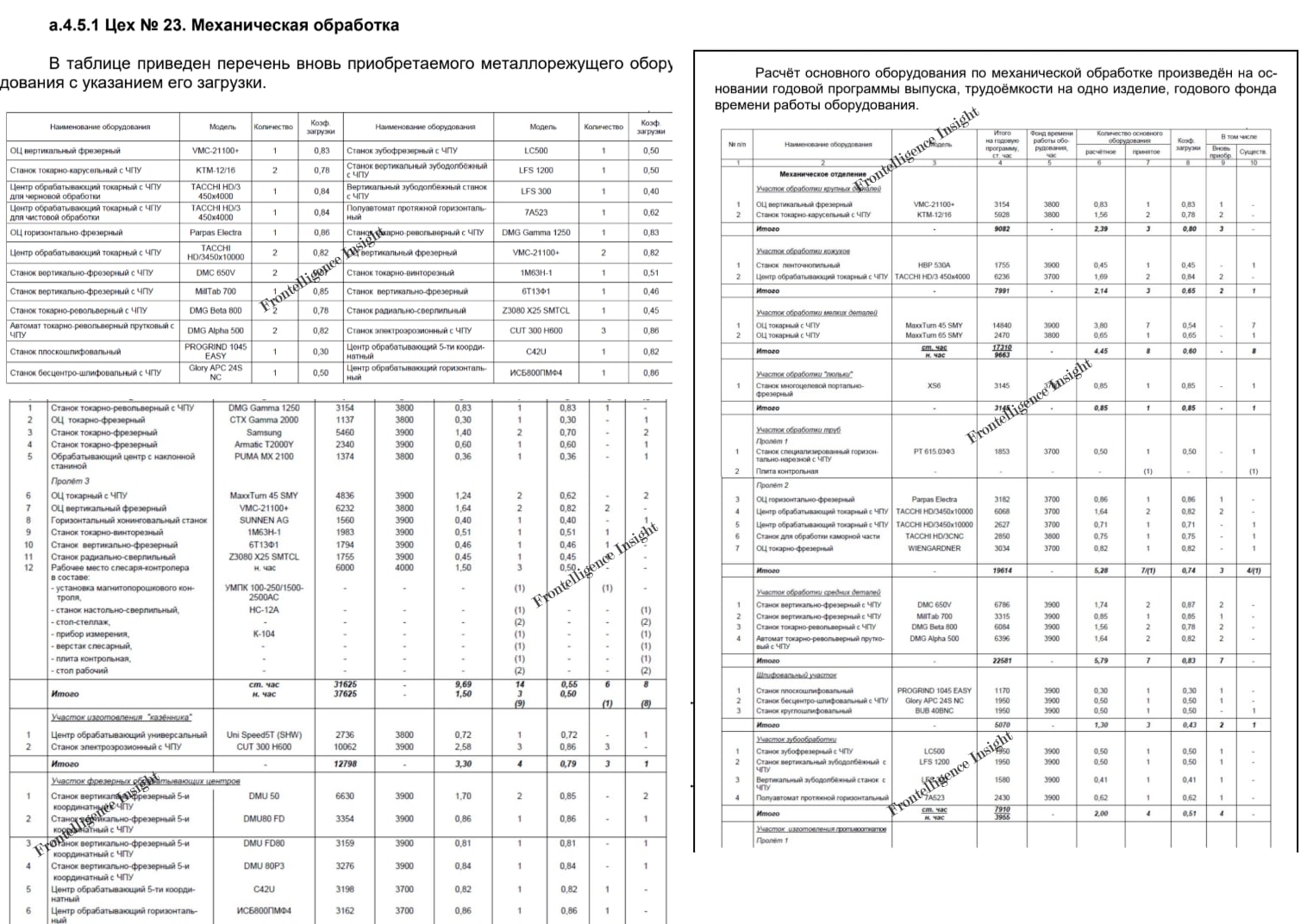
Importantly, this is not a case of small components or dual-use consumer electronics being repurposed for military use. Instead, the expansion depends on large-scale industrial machinery that is inherently easier to track and regulate. Below, we present this equipment broken down by country of origin and manufacturer:
1. Taiwan
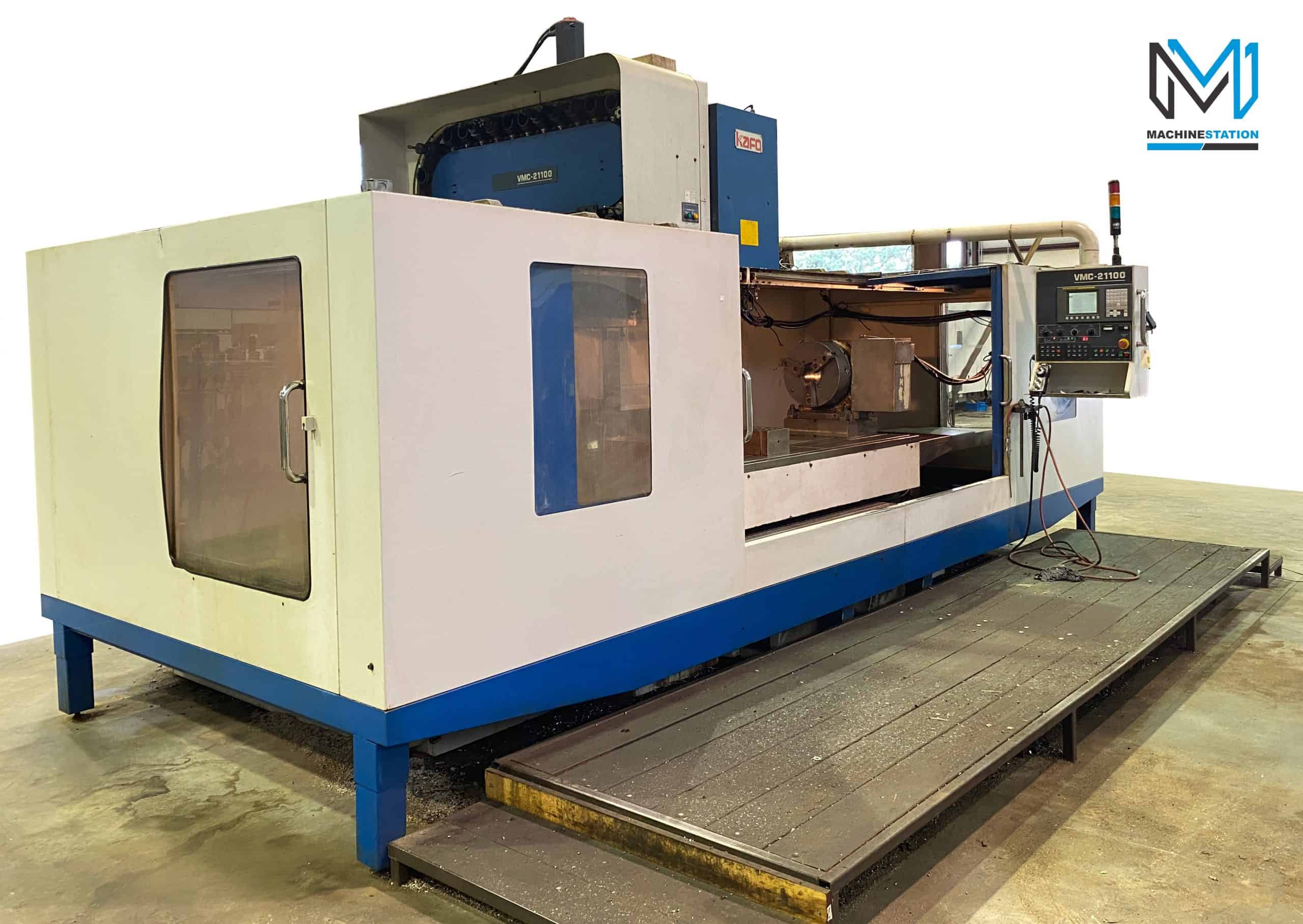
Company: KAFO
Vertical milling machining center VMC-21100+
Company: Glory
CNC centerless grinding machine Glory APC 24S NC
2. Italy
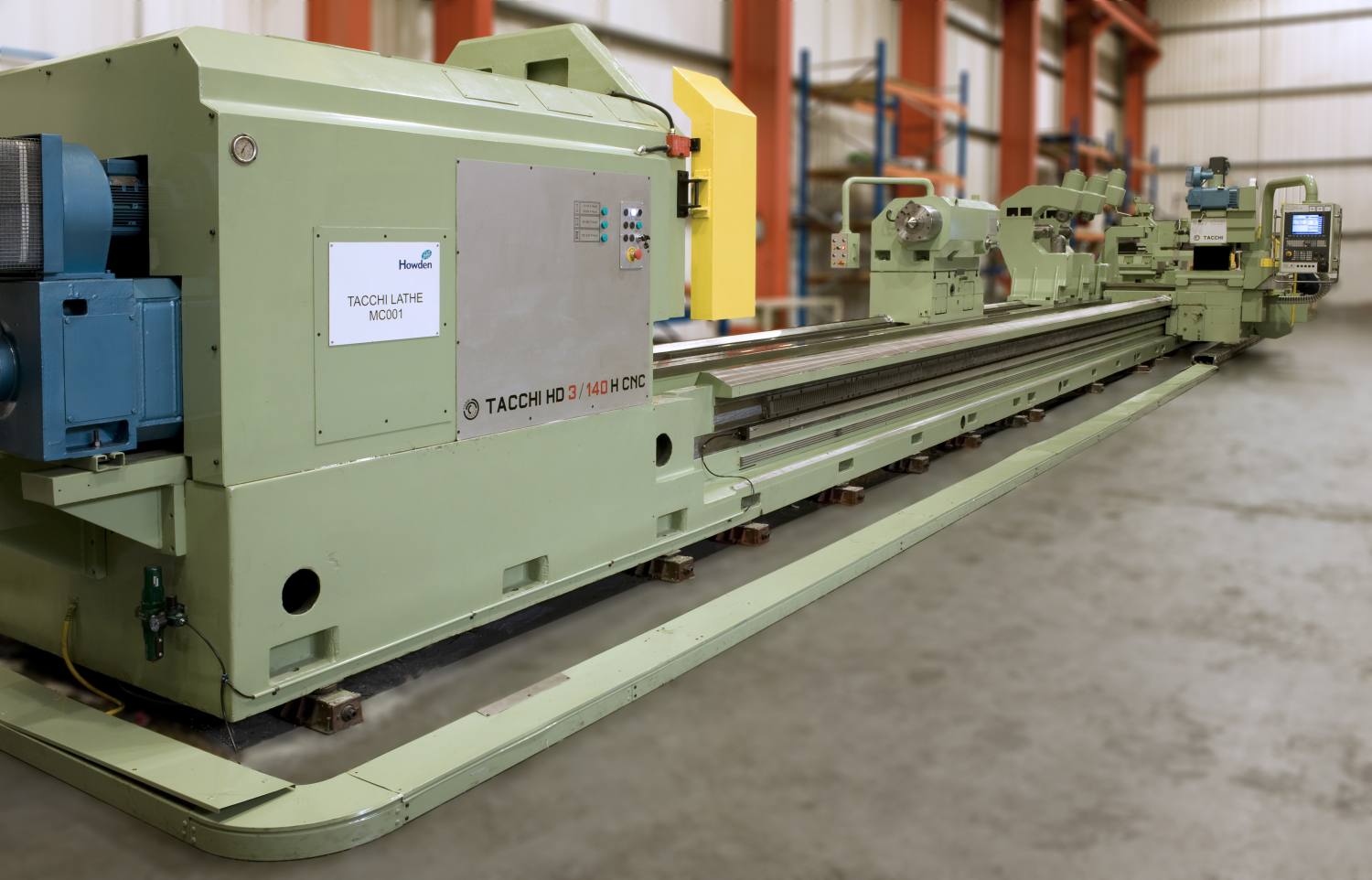
Company: TACCHI
Multifunctional CNC turning machining center for rough machining TACCHI HD/3 450×4000
Multifunctional CNC turning machining center TACCHI HD/3 450×10000
Company: PARPAS
Horizontal milling machining center OMV Electra
3. Germany
Company: DMG MORI
3-axis vertical CNC milling machine DMC 650V
3-axis vertical CNC milling machine DMC 650V MillTap 700
CNC turret lathe DMG Beta 800
CNC bar-fed turret lathe DMG Alpha 500
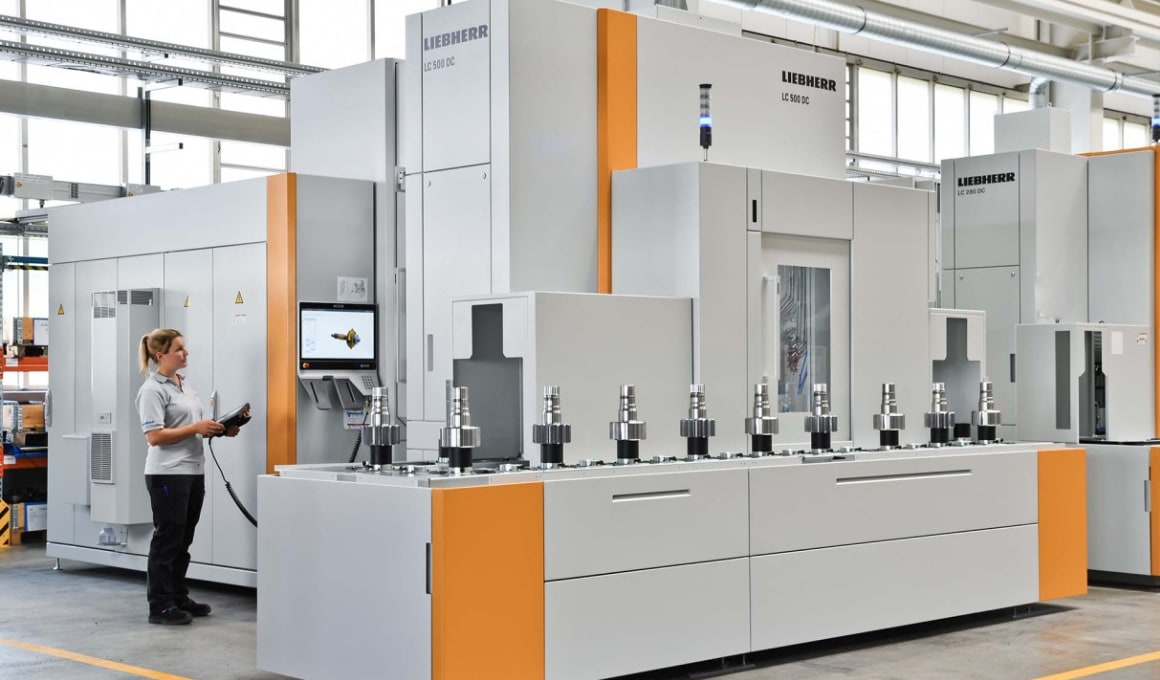
Company: LIEBHERR
CNC gear hobbing machine LC500
Vertical CNC gear shaping machine LFS 1200
Vertical CNC gear shaping machine LFS 300
CNC turret lathe DMG Gamma 1250
Company: HERMLE AG
5-axis machining center C42U
4. Britain
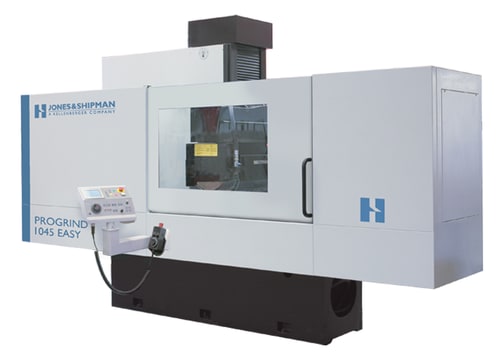
Company: JONES & SHIPMAN
Surface grinding machine PROGRIND 1045 EASY
Overall, Russia plans to supply and install at least 22 large industrial machines at the modernized facility, including gear-shaping, milling, and other multifunctional production equipment.
The documents also show that this is not a one-time upgrade or modernization effort, but part of a decade-long process to expand and improve production, with the current phase accelerated by the war. For example, in a series of letters sent in 2014 to the Director of the Department of Basic Industries at the Russian Ministry of Industry and Trade, the CEO of Plant No. 9 requested an expert review to confirm that certain production equipment could not be manufactured domestically and therefore had to be imported.
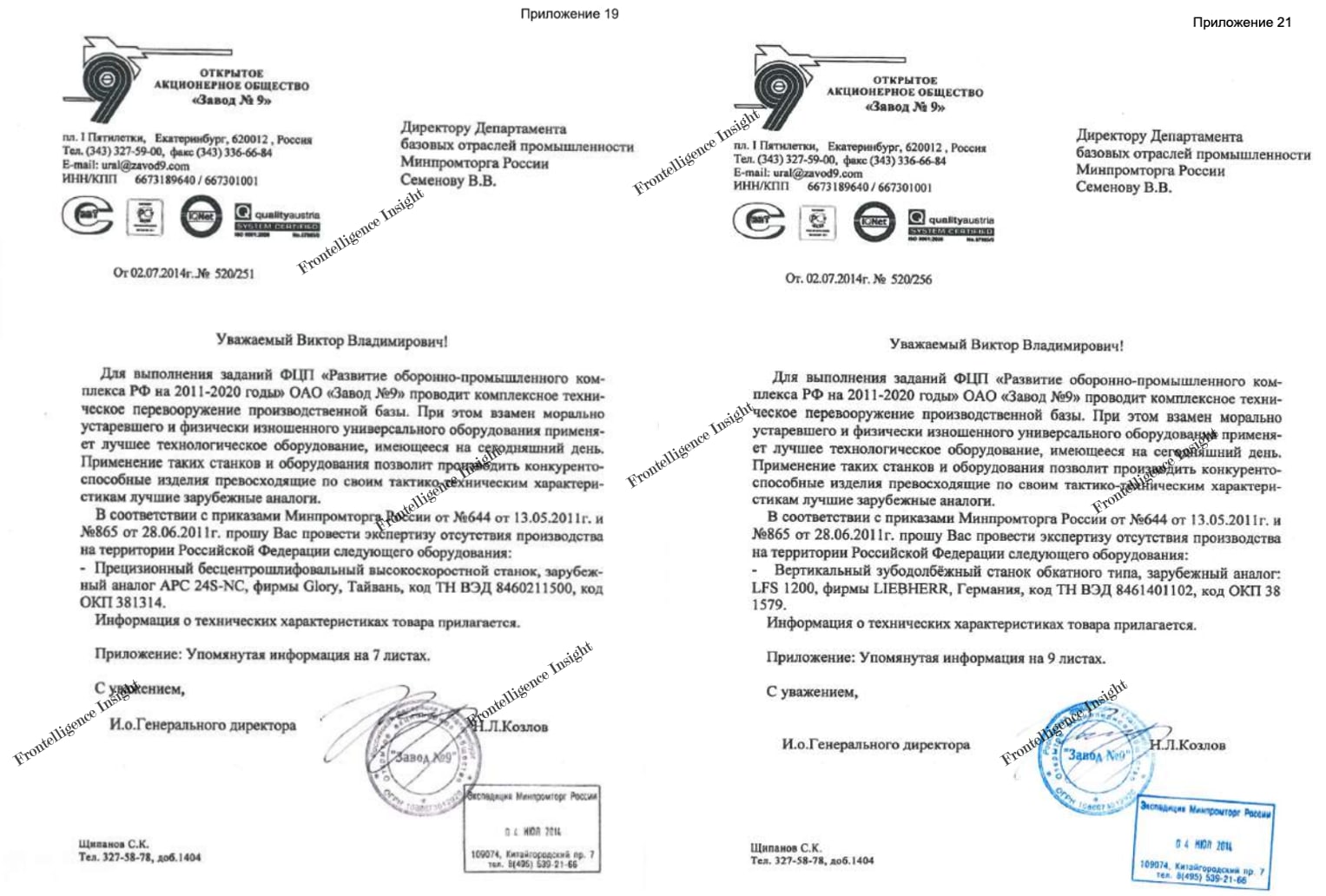
In these letters, the requests concerned the procurement of APC 24S-NC equipment from the Taiwanese company Glory, as well as the German LFS 1200 system.
III. Implications
Despite a decade-long import-substitution strategy, Russia has not achieved independence from foreign machinery imports. Nearly all critical stages of manufacturing at Plant No. 9, not just auxiliary processes, still rely on high-precision industrial equipment from Europe and East Asia. The purchase and export of such large machinery is inherently easier to monitor and control than smaller appliances, which are more difficult to track and enforce, particularly on secondary markets.
Rising numbers and increased production efficiency strongly indicate that Russia is circumventing sanctions not just on paper, but in practice. While sanctions undoubtedly complicate procurement, the documents reviewed do not reveal any significant concerns or a lack of confidence on the Russian side regarding their ability to acquire this equipment - a rather troubling signal in the fourth year of the war.
Thank you for reading. We are pleased to announce that in the coming weeks, after nearly three months of work, we will be completing a comprehensive report covering internal data, systemic challenges within the Russian military, insights into Russia’s senior decision-making circles and their views on the war, as well as a range of exclusive information not available elsewhere. The full report will be made available to our paid subscribers as a thank you for the financial support they have provided. We have also included a link below to a shared drive containing the referenced files.
We would also like to note that our partners, the Dallas analytical company, provide a significant amount of leaked Russian data to journalists and other researchers through their own platform.