
Featured subscriber comment:
“I give to your Tip Jar periodically, more often than I can comfortably afford. That’s because the work you do, and the stories you write educate me about what it’s like to live and work in a country at war.”
By DebDagI
Upgrade now to support our work and get full access to all our writing!
Polina Kotiuk booked a hotel in Kharkiv to spend the night with her boyfriend and celebrate her birthday.
She was in a festive mood after receiving flowers, gifts, and congratulations from friends and family. She planned to celebrate for three days because she loved throwing parties – and why not use any excuse?
A little further south, in Cherkasy, Dariia Cherep was also preparing for her day.
She planned to celebrate her 17th birthday with a dozen friends at a cafe.
They both woke up on February 24, 2022, at 5 a.m., not yet processing that this day would no longer be a celebration. Russia had turned it into a date that would symbolize national mourning.
For Polina and Dariia, this date was their special day long before it became a national day of mourning. For them, February 24, a day that used to be about cake, friends, and feeling loved, is now overshadowed by grief.
How can they celebrate when people are mourning and protesting?
It is a showcase of how the anniversaries of tragic events can turn ordinary milestones in life into emotional dilemmas, forcing people to invent new ways to celebrate while catastrophe collides on the same date. Imagine having your birthday on Sept. 11 in the United States, for example.

“We [Polina and her future husband] stayed at a hotel. At midnight, my friends came to congratulate me, my parents came, and my husband gave me a gift, but everyone was already on edge,” Polina Kotiuk recalled.
Polina’s now-husband, a military officer, got the call around 5 a.m. and left immediately. By the time her birthday morning should have started, he was already gone, reporting for duty.
The State Border Service reported that at around 5 a.m., the national border with Russia and Belarus had been attacked. The first explosions in Kyiv were heard at 5:58 a.m.
Five in the morning was not a time chosen randomly by the Russians; it is a special time for the psyche. During this period, sleep becomes shallow, and the body starts to increase cortisol production, preparing it for a wake-up.
Therefore, a sharp sound, a siren, or a ringing at this time of morning affects the nervous system more strongly than during the day. The body wakes up stressed, and the brain instantly registers these events as a threat.
“I went to [my husband’s] parents’ house because it was safer together…. It was very scary; everyone was in shock. Even when someone called to wish me a happy birthday, I forgot that it was my birthday,” said Polina.
In Ukrainian culture, holidays and birthdays are ways to stay together, nurture identity, observe rituals, and organize feasts. Guests should not come empty-handed; they should bring something to the table. Mandatory attributes include a cake, flowers, and gifts for the birthday boy or girl, and the closer the person is, the more personal and meaningful the gift should be.
“Since childhood, my parents hired various entertainers for my birthday, and later, as a teenager, I organized parties myself…. I was always looking forward to some kind of celebration, the end of winter, a season of change, something new,” Dariia said.
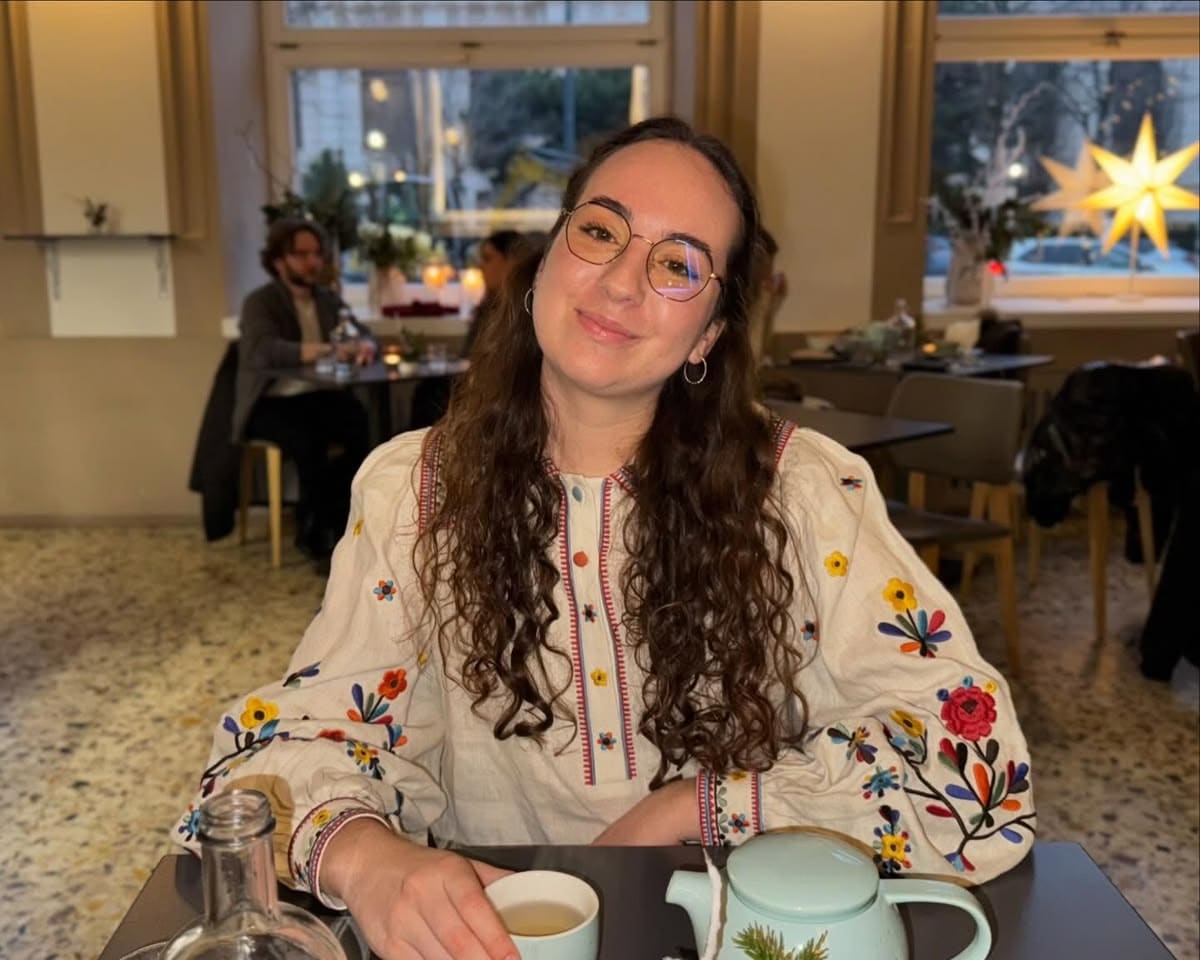
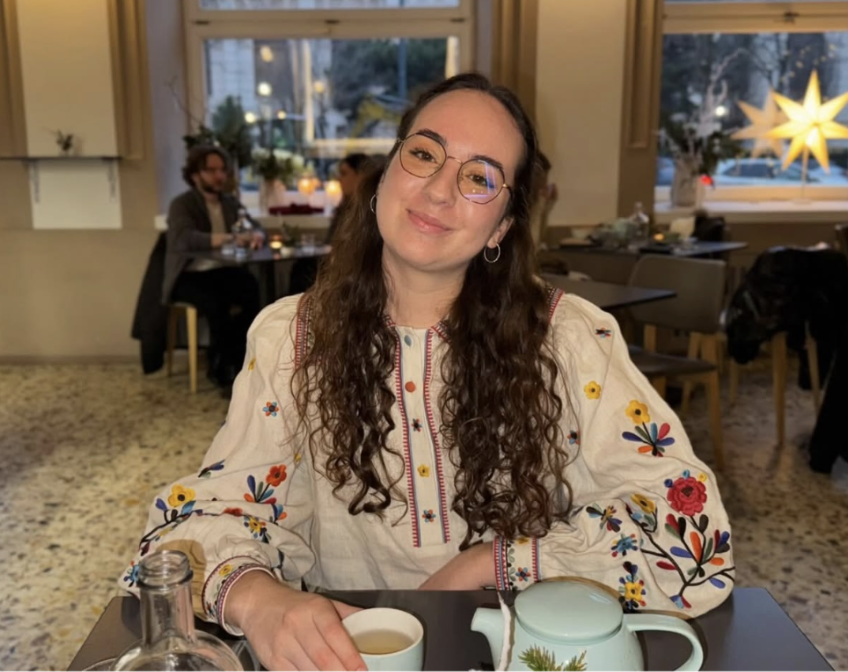
In 2022, Dariia was finishing 11th grade, preparing for final exams to enter university. She wanted to celebrate her birthday for two days in a row with two different groups of friends and celebrate this specific chapter of her life.
“We discussed at school the possibility of martial law, the risk of it happening. And I thought: what does martial law mean? How will I buy food for my birthday? Somehow, I didn’t want to believe it,” Dariia said.
Dariia woke up early that morning by coincidence, and remembers feeling genuinely happy to see early-birthday messages. She was also supposed to be studying for her exams at 7:45 that morning.
What began as a day of joy turned into a nightmare. Instead of attending her exam-preparation class, Dariia watched her dad nervously eat all her birthday cake, and she spent the day in the store, buying necessary items and reading the news. Her uncle was among the Chornobyl nuclear power plant workers who were taken as prisoners when the Russians seized the plant.
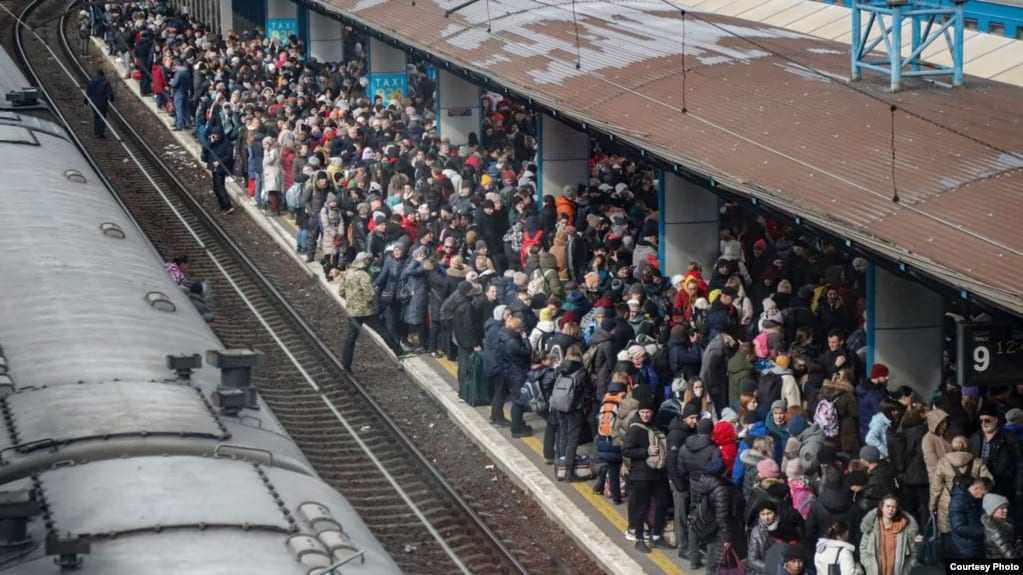
“I went to the supermarket with a friend; we had to celebrate together. I didn’t understand what was going on. I was supposed to go to school, but I went shopping instead. I didn’t even know what to buy, I just looked around to see what others took: toilet paper, eggs, buckwheat,” Dariia said.
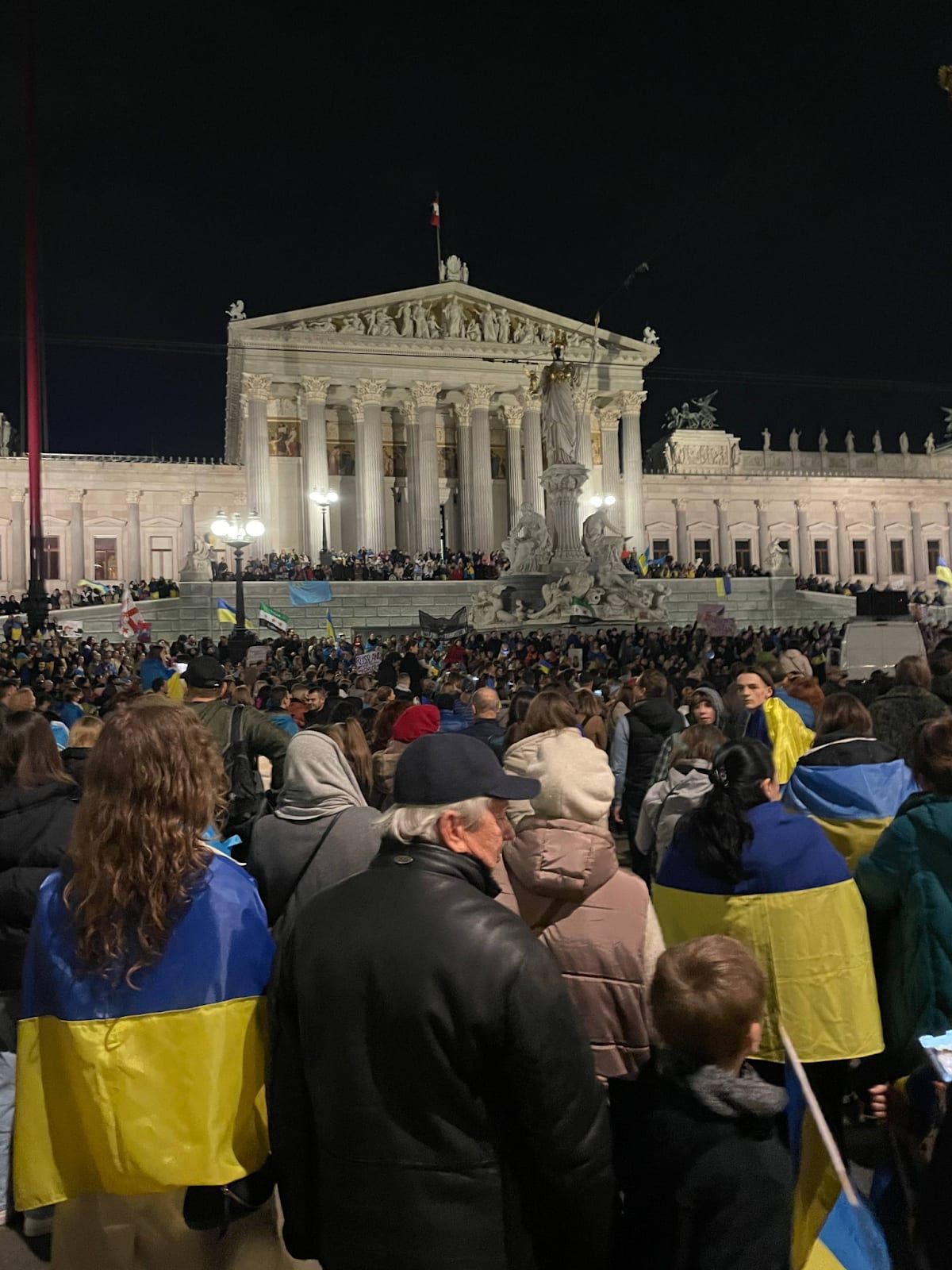
Over the years, the anniversary of the invasion became filled with rituals in Ukraine and abroad, commemorating human loss. Cities hold memorial events to remind people that the war is not over. In 2022, President Zelenskyy called on people to observe a minute of silence and light a memorial candle in their windows, inviting other countries to join in.
By 2023, Polina and Dariia realized that February 24 would no longer be theirs alone.
“I am calm by nature, I don’t suffer from panic attacks or anxiety. But on the night of February 23, I had nightmares. I woke up a million times. I never celebrated my birthday in Kharkiv ever again,” Polina shared.
The war made the two women rethink their traditions of celebration. Polina no longer throws loud parties or celebrates at home. She now gets together with her family somewhere outside the city.
“Our family already pays a very high price because my husband is a serviceman. He worked a lot in Kupiansk. And it took a toll on his mental health and mine. So on my birthday, I want to think more about our family, about some family activities,” Polina shared.
Dariia decided to move her birthday celebrations to February 28 and devote February 24 to Ukraine. She thinks about people who have lost someone or live under constant attack, and her own celebration seems like an occasion that can easily be postponed to another date.
Although it seems that both have lost the celebrations they used to enjoy, neither of them is willing to accept Russia’s definition of that date.
Polina chooses to preserve her own traditions by protecting her small private space.
She believes her family has already paid a heavy price for this war in health, nerves, and a husband in uniform, and she doesn’t want to give up her birthday on top of that.
“We cannot live and constantly postpone things and be unhappy,” Dariia said.
Featured subscriber comment:
“I give to your Tip Jar periodically, more often than I can comfortably afford. That’s because the work you do, and the stories you write educate me about what it’s like to live and work in a country at war.”
By DebDagI
Upgrade now to support our work and get full access to all our writing!
NEWS OF THE DAY:
By Anastasiia Lutsenko
Good morning to readers; Kyiv remains in Ukrainian hands.
KREMLIN BUYS STRATEGIC REAL ESTATE ACROSS EUROPE: Kremlin-linked entities are buying real estate and even islands across EU and the UK. These purchases are concentrated near military bases, ports, and critical infrastructure, raising concerns that the properties could be used for surveillance, sabotage, or covert storage of explosives, according to The Telegraph.
European intelligence officials fear this will allow Moscow to conduct sabotage operations against NATO countries while avoiding open conflict that would trigger collective defense under Article 5.
HUNGARY BLOCKS EU SUPPORT FOR UKRAINE: As EU leaders traveled to Kyiv to mark the anniversary of Russia’s war, Hungary blocked the bloc’s 20th sanctions package against Moscow and threatened to veto a €90 billion loan for Ukraine’s defense. Budapest previously said that it would block any further decisions for Ukraine support if Kyiv did not allow Russian oil to transit through the Druzhba pipeline. The Druzhba pipeline transits Russian oil through Ukraine and suspended operations after it was damaged in a drone attack. Ukraine offered to transit the oil through the Odesa-Brody pipeline.
Hungary has repeatedly obstructed the EU’s support for Ukraine. With Washington’s long-term commitment under scrutiny, delays in Brussels weaken Ukraine’s resilience and the EU’s credibility as a strategic power.
AUSTRALIA ANNOUNCED BIGGEST SANCTIONS PACKAGE AGAINST RUSSIA: The Australian government announced the biggest sanctions package against Russia, which included 180 new restrictions targeting Russian individuals, companies, and shadow fleet vessels. The sanctions covered industries like banking, defense, aviation, oil and gas, transport, and tech.
For the first time, Australia also sanctioned cryptocurrency organizations, which enable sanctions evasion. Australia recently lowered the cap on Russian oil from $47.60 to $44.10 per barrel.
Beyond direct pressure on Moscow, Australia has committed over $1.7 billion in aid to Ukraine, including $1.5 billion in military support and $40 million for energy infrastructure. These steps aim not only to constrain Russia’s ability to wage illegal war, but also to reinforce Ukraine’s critical infrastructure amid winter energy challenges.
DOG OF WAR:
Zoriana saw this playful pup in a coffee shop near the office. When she asked the owner for a photo, he gladly agreed and said that some of our colleagues had already photographed him. It seems all our local dogs have become stars of The Counteroffensive!

Stay safe out there.
Best,
Oleksandra